

 Contáctanos

Índice

Contáctanos
Actualizado 6 Meses hace
Métodos de decoración de ropa deportiva: 4 opciones comparadas
YUTU
QEOK es un fabricante profesional de ropa deportiva personalizada y proveedor de ropa para equipos con sede en Dongguan, Guangdong, China. Fundado en 2002, ofrecemos servicios integrados OEM y ODM que cubren el diseño de productos, Desarrollo de ejemplos, Selección de materiales, Producción, Control de calidad, coordinación de envíos y soporte posventa.
Sportswear Decoration Methods affect how custom teamwear looks, how artwork is applied, and how a design works with the finished garment. This guide compares full dye sublimation, Bordado, Serografía, and digital heat transfer for sportswear projects. Learn what each method can offer, why fabric and artwork should be reviewed together, and how order quantity and end use influence the choice. It also explains what buyers should prepare before design approval, sample review, and bulk production with a manufacturing partner.
Why Choosing the Right Sportswear Decoration Method Matters
Choosing a decoration method is one of the important decisions in custom sportswear development. The same logo or graphic may require different production approaches depending on the garment, Tela, artwork and order requirements.
Por ejemplo, a soccer uniform with full-color patterns has different decoration needs from a polo shirt with an embroidered club logo or a team jersey with individual player names and numbers.
QEOK offers four main decoration options:
- Sublimación completa con tinte
- Bordado
- Serografía
- Digital heat transfer
Each method has its own applications. The best choice should be discussed according to the complete product requirements rather than selecting a method based on appearance alone.
Full Dye Sublimation for Polyester Team Uniforms
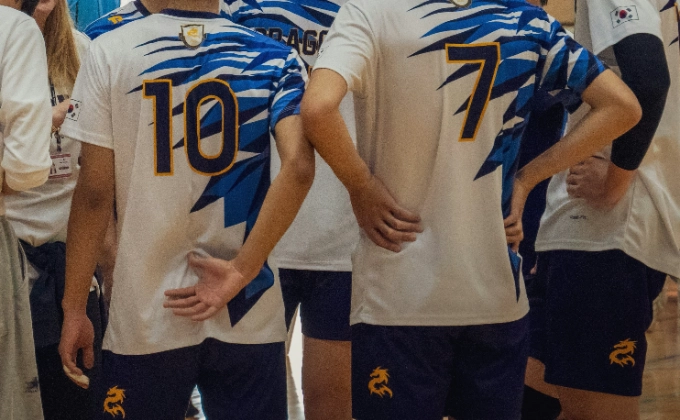
Full dye sublimation is a primary decoration option for polyester sports uniforms, particularly soccer and basketball kits.
Unlike decoration methods that apply graphics to the fabric surface, sublimation transfers dye into polyester fibers using heat and pressure. This makes it suitable for teamwear projects requiring coordinated colors, patterns and graphics across the garment.
QEOK supports customization of:
- Team colors and patterns
- Team and sponsor logos
- Nombres de jugadores
- Player numbers
- Custom graphic designs
One important advantage is the flexibility to develop a coordinated visual design across different garment panels. This is useful for teams and brands that want consistent artwork throughout their uniforms.
Fabric selection is particularly important. Polyester-based fabrics are generally preferred for sublimation because their fibers can absorb sublimation dyes effectively.
Antes de la producción, buyers should prepare their artwork, preferred colors, garment specifications and design references for review.
Learn more about QEOK's Full Dye Sublimation Sportswear Manufacturing.
Embroidery for Team Logos and Brand Details
Embroidery is a popular decoration option for sportswear when buyers want a textured, three-dimensional finish for logos and brand details.
Unlike printed graphics, embroidery uses stitching to create the design directly on the garment. It can give teamwear and branded apparel a more distinctive appearance.
Common embroidery applications at QEOK include:
- Logotipos del equipo
- Insignias del club
- Nombres comerciales
- Marcas de patrocinador
- Staff uniform branding
Embroidery can be used on different apparel types, including team jackets, camisetas tipo polo, Sudaderas con capucha, caps, training apparel and casual sportswear.
Antes de la producción, the artwork needs to be reviewed and converted into embroidery-ready files. Important considerations include logo size, stitch direction, thread density, fabric characteristics and design details.
Buyers should provide their logo files, preferred placement and garment information so the embroidery requirements can be reviewed before production.
Explore QEOK's Servicios de bordado personalizado para ropa deportiva.
Screen Printing for Bold Sportswear Graphics
Screen printing is an established apparel decoration method that transfers ink through a prepared mesh screen onto fabric.
Each color in the design is applied through a separate screen. This makes artwork preparation and color separation important parts of the production process.
Screen printing is particularly suitable for:
- Logotipos del equipo
- Bold graphic designs
- Solid-color artwork
- Sponsor graphics
- Typography and text
- Larger-volume apparel orders
It can be applied to different apparel materials, incluyendo poliéster, cotton blends and other common fabrics, with suitable ink solutions selected according to the material and product requirements.
For medium and high-volume sportswear projects, screen printing can offer efficient production once the printing screens have been prepared.
Before confirming the method, buyers should provide their artwork, Requisitos de color, garment type and estimated order quantity.
Discover QEOK's Serigrafía personalizada para ropa deportiva.
Digital Heat Transfer for Personalized Sportswear
Digital heat transfer is a flexible decoration method for sportswear projects that require personalized details and accurate graphic placement.
It is particularly useful for team uniforms where individual garments may need different player names, numbers or other customized details.
QEOK supports heat transfer customization for:
- Nombres individuales de los jugadores
- Jersey numbers
- Logotipos del equipo
- Sponsor graphics
- Obra detallada
- Custom garment labels
The method is commonly used on jerseys, jackets and training apparel.
One practical advantage is that different players can have individual names and numbers within the same team order. This makes heat transfer useful for sports clubs, schools and professional teams.
Heat transfer can also be combined with sublimation. Por ejemplo, a jersey may use an overall sublimated design while additional player names and numbers are applied through heat transfer.
Antes de la producción, buyers should confirm artwork, Estilo de prenda, graphic placement and personalization details.
Learn more about QEOK's Custom Heat Transfer Printing for Sportswear.
Comparison at a Glance: 4 Sportswear Decoration Methods
Choosing between different decoration methods depends on the garment, Obra de arte, fabric and order requirements.
| Decoration Method | Main Applications | Important Considerations |
|---|---|---|
| Sublimación completa de tinte | Polyester team uniforms, full garment patterns, Colores del equipo, Nombres y números | Polyester fabric, artwork and garment panel design |
| Bordado | Logotipos del equipo, Insignias del club, brand names and staff uniforms | Tamaño del logo, stitch direction, thread density and fabric |
| Serografía | Bold graphics, solid colors, Logotipos, typography and larger-volume orders | Separación de color, printing screens, fabric and quantity |
| Digital Heat Transfer | Nombres de jugadores, Números, logos and detailed graphics | Individual customization, artwork and placement |
How Should Buyers Choose?
- Sublimación completa de tinte: Consider it for polyester team uniforms with coordinated colors, patterns and extensive graphics.
- Bordado: Consider it when team logos, club badges or textured brand details are important.
- Serografía: Consider it for bold graphics, solid colors and larger-volume apparel projects.
- Digital Heat Transfer: Consider it when individual player names, numbers or detailed graphics need to be added to garments.
There is no single decoration method that fits every sportswear project. The final selection should be reviewed according to the fabric, Obra de arte, order quantity and intended use.
Why Fabric and Decoration Should Be Selected Together
Fabric selection and decoration selection should not be treated as two completely separate decisions.
A printing or embroidery method needs to work with the actual garment material and construction. A design that looks good in a digital preview must also be suitable for the physical product.
Before choosing a decoration method, buyers should consider:
- Product Type: Is the project for soccer jerseys, Uniformes de baloncesto, Ropa de entrenamiento, jackets or other apparel?
- Tejido: What material will be used for the finished garment?
- Artwork: Does the design include full-color patterns, Logotipos, text or individual details?
- Cantidad de pedido: How many garments are required?
- End Use: Will the apparel be used for competition, Formación, team activities or everyday wear?
QEOK reviews fabric, construction and decoration requirements together during the design and material proposal stage.
Providing these details early helps the manufacturer evaluate the project and discuss suitable production options.
Review Artwork and Samples Before Bulk Production
Selecting a decoration method is only one part of sportswear development. Antes de la producción a granel, buyers and manufacturers should review the artwork, garment specifications and decoration placement together.
QEOK uses digital previews to review artwork and product details before sampling or production.
Where a physical sample is required, buyers can check:
- Talla y medidas de la prenda
- Workmanship and stitching
- Color accuracy
- Decoration placement
- Overall product details
For team uniforms, it is also important to confirm player names, Números, logos and other customized elements before production.
Once the relevant specifications and sample details are approved, they can be used as references for bulk manufacturing.
If you are developing a new teamwear collection, explore QEOK's Muestras de ropa deportiva personalizada to learn more about sample development.
Preguntas frecuentes
1. Does QEOK Offer More Than Sublimation?
Sí. QEOK's documented sportswear decoration capabilities include full dye sublimation, Bordado, serigrafía y transferencia térmica digital. The appropriate method depends on the fabric, Obra de arte, order quantity and intended use.
2. Is Full Dye Sublimation Mainly Used for Polyester Sports Uniforms?
Sí. Full dye sublimation works best with polyester-based fabrics because polyester fibers absorb sublimation dyes effectively. QEOK identifies polyester soccer and basketball uniforms as primary applications.
3. How Should I Choose the Right Sportswear Decoration Method?
Start with your garment type, Tela, Obra de arte, estimated order quantity and intended use. These factors help determine which decoration method is suitable for your specific sportswear project.
4. What Is the Difference Between Screen Printing and Heat Transfer?
Screen printing uses prepared mesh screens to transfer ink onto fabric and is suitable for bold graphics, logos and larger-volume orders. Heat transfer is particularly useful for personalized details such as individual player names, numbers and detailed graphics.
5. Can Different Decoration Methods Be Used in One Sportswear Collection?
Sí. Different garments within the same collection may require different decoration approaches. Por ejemplo, a team uniform can combine an overall sublimated design with heat transfer names and numbers. The final combination should be reviewed according to the garment and project requirements.
Need Help Choosing the Right Sportswear Decoration Method?
Not sure which decoration method is suitable for your sportswear project? Share your garment type, preferencias de tela, Obra de arte, estimated order quantity and customization requirements with QEOK.
Our team can review your project details and discuss suitable decoration options, from full dye sublimation and embroidery to screen printing and digital heat transfer.
Contact QEOK to discuss your custom sportswear project and plan the next steps.
Escrito por
YUTU
QEOK es un fabricante profesional de ropa deportiva personalizada y proveedor de ropa para equipos con sede en Dongguan, Guangdong, China. Fundado en 2002, ofrecemos servicios integrados OEM y ODM que cubren el diseño de productos, Desarrollo de ejemplos, Selección de materiales, Producción, Control de calidad, coordinación de envíos y soporte posventa.
-
Compartir
-

-

-